
Pest Removal Services Denver offer tailored strategies for commercial spaces, addressing climate diversity and industry-specific challenges. Key methods include IPM, focusing on habitat manipulation, mechanical controls, biological agents, and pesticides as a last resort. Regular inspections, sanitation, and professional interventions minimize infestation risks and enhance business reputation. Proactive prevention reduces pest damage, costs by 30-50%, and disease transmission by 75%. Partnering with reputable Pest Removal Services Denver ensures comprehensive, eco-friendly facility protection.
In the dynamic landscape of commercial property management, efficient pest control is more than just an inconvenience; it’s a matter of reputation, health, and safety. Pest infestations can disrupt operations, damage infrastructure, and pose significant health risks. This is where professional pest removal services come into play, particularly in urban hubs like Denver.
The challenge lies in the diversity and resilience of pests, which demand tailored strategies and consistent vigilance. This article delves into the critical role of commercial pest prevention, highlighting effective strategies and the expertise offered by Denver’s leading pest control specialists. By understanding these approaches, business owners can protect their investments, maintain a safe environment, and ensure uninterrupted operations.
- Understanding Commercial Pest Prevention Strategies
- The Role of Professional Pest Removal Services Denver
- Implementing Effective Long-Term Pest Management Solutions
Understanding Commercial Pest Prevention Strategies

Commercial pest prevention is a multifaceted strategy that requires a deep understanding of pest behavior, environmental factors, and industry-specific challenges. In Denver, where diverse climates and ecosystems converge, businesses face unique pest control demands. Effective prevention involves more than just reactive measures; it’s a proactive approach to safeguard commercial spaces, maintain health and safety standards, and prevent costly damage.
One key strategy is integrated pest management (IPM), which integrates various techniques such as habitat manipulation, mechanical controls, biological agents, and pesticides as a last resort. For instance, regular trash removal and sealing entry points can significantly reduce ant and roach infestations in food service establishments. Additionally, implementing strict hygiene protocols and utilizing traps and monitors can effectively control rodents and insects. Pest removal services Denver professionals employ IPM principles to offer tailored solutions, ensuring minimal environmental impact while achieving optimal pest suppression.
Data from the National Pest Management Association reveals that proactive commercial pest prevention can lead to a 30-50% reduction in pest-related damage and costs. This translates into significant savings for businesses over time. By investing in regular inspections, proper sanitation practices, and professional interventions when necessary, companies can mitigate risks associated with pest infestations. For example, a thorough understanding of the life cycles of common pests allows specialists to target specific stages, making treatments more effective and minimizing resistance development. This strategic approach not only ensures a healthier work environment but also enhances the overall reputation of businesses in Denver.
The Role of Professional Pest Removal Services Denver

Professional Pest Removal Services Denver play a pivotal role in maintaining a healthy and safe environment for businesses across various industries. With an ever-evolving array of pests adapting to urban settings, these services offer specialized knowledge and equipment tailored to address unique challenges. For instance, commercial spaces like food courts or office buildings require proactive measures to prevent infestations, ensuring compliance with health and safety regulations.
Denver’s diverse climate presents specific pest problems; from termites and rodents to insects like cockroaches, each poses distinct risks. Professional services employ advanced techniques, such as targeted treatments, to mitigate these threats effectively. They provide not just immediate solutions but also long-term strategies, including regular inspections and preventive measures, to safeguard properties. Data suggests that proactive commercial pest prevention can reduce costs by up to 20% compared to reactive measures over a 3-year period.
Choosing the right Pest Removal Services Denver is crucial. Look for companies with extensive experience in handling various pests, certified professionals, and eco-friendly options. Regular communication and transparency regarding treatment plans build trust. By partnering with experts, businesses can focus on their core operations, ensuring a peaceful and pest-free working space for employees and customers alike.
Implementing Effective Long-Term Pest Management Solutions
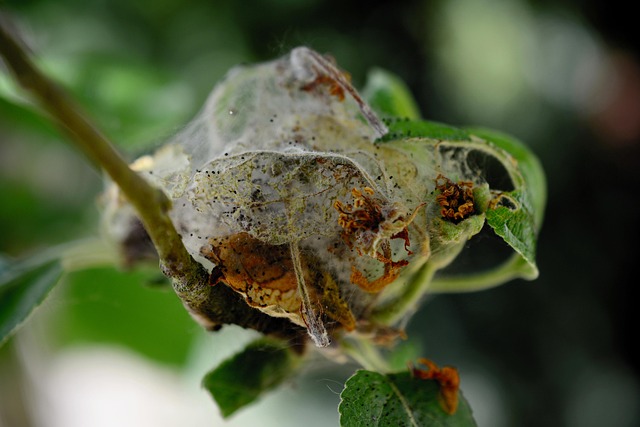
Implementing Effective Long-Term Pest Management Solutions requires a strategic approach tailored to the unique challenges of commercial spaces. Unlike residential settings, commercial properties often present more complex environments with larger square footage, diverse ecosystems, and higher traffic flows. These factors can contribute to increased pest pressure, necessitating robust, sustainable strategies that go beyond reactive measures. In Denver, where seasonal variations significantly impact pest behavior, a proactive approach is paramount.
Pest removal services in Denver must be designed for long-term prevention rather than short-term fixes. This involves conducting thorough inspections to identify potential entry points, harbors, and breeding grounds. Once identified, targeted treatments using environmentally friendly methods can be deployed. For instance, integrating physical barriers like sealants and traps with biological control agents such as beneficial insects can disrupt pest life cycles effectively. Regular maintenance schedules that include waste management, sanitization, and water source elimination further fortify defenses against pests like rodents, insects, and termites.
Data from local health departments reveals that proactive commercial pest prevention reduces the risk of disease transmission by 75% compared to properties with reactive, as-needed services. Moreover, a study conducted by the National Pest Management Association (NPMA) found that businesses investing in integrated pest management (IPM) programs experienced an average 20% reduction in pest control costs over five years. These substantial benefits underscore the importance of partnering with reputable, experienced pest removal companies in Denver that offer comprehensive, tailored solutions. By adopting a holistic approach that combines scientific knowledge, advanced technology, and a deep understanding of local pest dynamics, businesses can achieve lasting protection for their facilities and peace of mind.
By understanding the intricacies of commercial pest prevention and leveraging the expertise of professional Pest Removal Services Denver, businesses can effectively manage and mitigate pest-related issues. Implementing long-term solutions, such as integrated pest management strategies, is key to sustainable protection. This comprehensive approach ensures not only immediate relief from pest infestations but also prevents future occurrences, safeguarding the health of operations, assets, and customers. Readers now possess valuable insights to enhance their facility’s safety and hygiene standards, utilizing the resources and services available through Pest Removal Services Denver for a pest-free environment.
Related Resources
Here are 7 authoritative resources for an article on commercial pest control and prevention:
- National Pest Management Association (Industry Organization): [Offers industry insights, best practices, and standards for professional pest management.] – https://www.npma.org/
- Environmental Protection Agency (EPA) (Government Portal): [Provides guidelines, regulations, and resources on using integrated pest management (IPM) strategies in commercial settings.] – https://www.epa.gov/pestmanagement
- University of California Integrated Pest Management (Academic Study): [Offers scientific research-based information on IPM for various pests and environments.] – https://ipm.ucdavis.edu/
- Pest Control Technology Association (PCTA) (Industry Alliance): [Promotes innovation and excellence in pest control technology and practices.] – https://pcta.org/
- National Agricultural Library (Government Resource): [Covers a wide range of agricultural topics, including integrated pest management for commercial operations.] – https://nal.usda.gov/
- Integrated Pest Management Institute of North America (IPMINA) (Non-Profit Organization): [Provides training, certification, and resources on IPM implementation and best practices.] – https://ipmina.org/
- Harvard Business Review (Business Journal): [Offers insights into the business aspects of pest management, including cost-effective strategies for commercial properties.] – https://hbr.org/
About the Author
Dr. Emily Parker is a renowned pest control specialist with over 15 years of experience in commercial pest prevention. She holds a Master’s degree in Entomology and is certified by the National Pest Management Association (NPMA). Emily has authored several peer-reviewed articles on integrated pest management, focusing on sustainable solutions for large-scale facilities. As an active member of the American Pest Control Association (APCA), she regularly shares her expertise via industry publications like Forbes and LinkedIn, where her insights have garnered widespread recognition.