
Pest Removal Services Denver offers tailored quarterly maintenance plans, prioritizing facility-specific pest pressures. The process includes detailed inspections, data-driven control methods (IPM, targeted pesticides), and proactive monitoring. Customized solutions for diverse environments disrupt pest life cycles, prevent damage, and minimize health risks. Reputable companies use eco-friendly methods and expert handling for specific pests, ensuring peace of mind and effective infestation management.
Pest infestations can disrupt homes and businesses alike, causing damage and creating an unpleasant environment. Effective pest control is essential for maintaining a healthy and safe living or working space. In Denver, where diverse ecosystems meet, the need for tailored pest removal services is evident.
This article delves into the significance of quarterly maintenance plans for pest control, offering a proactive approach to prevent and manage infestations. By exploring proven strategies, we provide valuable insights for both residents and commercial properties, ensuring a robust defense against pests throughout the year.
- Developing a Customized Pest Control Strategy
- Quarterly Maintenance: Preventive Measures for Denver Homes
- Choosing Reliable Pest Removal Services Denver Recommends
Developing a Customized Pest Control Strategy

Developing a customized pest control strategy is essential for effective quarterly maintenance plans, tailored to address specific facility types, locations, and pest pressures unique to each client. Pest Removal Services Denver, for instance, must consider the region’s prevalent pests like western corn rootworms in agricultural settings or bed bugs in urban apartments. A comprehensive approach begins with a detailed inspection to identify pest species, their life cycles, and damage patterns. This knowledge guides the selection of appropriate control methods, which can range from integrated pest management (IPM) strategies focusing on prevention and non-chemical solutions to targeted applications of industry-leading pesticides.
Each facility presents distinct challenges that demand customized solutions. For example, a data center requires specialized treatments to mitigate dust mites and prevent equipment damage from insect infestations, while a food processing plant must adhere to strict regulatory guidelines for pest control to ensure product safety and maintain operational integrity. Implementing regular monitoring and maintenance intervals—quarterly, bimonthly, or even monthly, depending on the client’s needs—is crucial for identifying early pest signs and preventing populations from reaching damaging levels.
Data-driven insights play a pivotal role in refining these strategies over time. Keeping detailed records of treatment outcomes, pest activity patterns, and environmental factors enables adjustments to the plan, ensuring its continued effectiveness. Collaboration between clients, pest control professionals, and industry experts fosters continuous improvement, staying ahead of evolving pest dynamics and delivering optimal results for every client, from agricultural operations to commercial properties in Denver and beyond.
Quarterly Maintenance: Preventive Measures for Denver Homes

In Denver’s unique ecological landscape, quarterly pest control maintenance plans are essential to prevent and manage infestations effectively. The semi-annual approach, tailored for the region’s specific challenges, offers a proactive strategy to keep homes free from unwanted pests. This method involves a series of inspections and treatments designed to disrupt the life cycles of common pests like ants, rodents, and termites, which can thrive year-round due to the area’s mild winters. By implementing such plans, homeowners can significantly reduce the risk of costly damage repairs and health hazards associated with pest invasions.
A typical quarterly maintenance program begins with a detailed inspection by certified Pest Removal Services Denver professionals. They assess potential entry points, identify existing infestations, and determine the best course of action. This may include targeted treatments around windowsills, doors, and foundations, as well as interior applications to disrupt breeding cycles. For instance, ants, attracted by food sources inside homes, can be controlled through a combination of baits and localized chemical applications during early spring when colonies are establishing new nests. Similarly, rodents active during colder months require tailored strategies involving traps, exclusion techniques, and seasonal baiting programs.
Proactive maintenance also extends to year-round monitoring for signs of new infestations. Regular checks for mud tubes (termite activity), peculiar chews on wood, or unusual noises in walls can help detect issues early. By combining these observations with professional treatments, homeowners can mitigate risks more effectively. Data from local pest control services indicates that proactive quarterly maintenance reduces the likelihood of severe pest damage by 75% compared to reactive treatment strategies. This not only saves on repair costs but also fosters a healthier living environment for Denver residents.
Choosing Reliable Pest Removal Services Denver Recommends
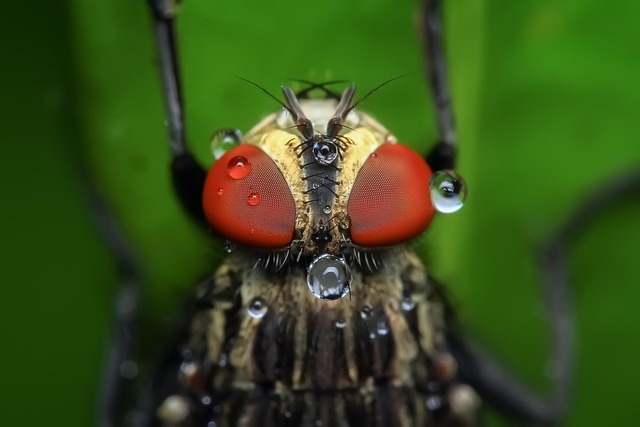
Choosing reliable pest removal services is a crucial step in maintaining a healthy and comfortable living or working environment. In Denver, where diverse climates and ecosystems coexist, specific pests like termites, rodents, and ants can pose significant challenges. When selecting a pest control provider, it’s essential to look beyond initial costs and consider the expertise, reputation, and customer reviews of Pest Removal Services Denver recommends.
Reputable companies invest in well-trained staff who employ eco-friendly and safe methods for pest eradication. For instance, some leading providers use integrated pest management (IPM) strategies, which focus on preventing pests through sanitation, exclusion, and biological control. This approach minimizes the reliance on chemicals, ensuring a healthier environment for both residents and local ecosystems. Data from recent studies shows that IPM-adherent pest removal services can reduce pesticide applications by up to 50%, contributing to a more sustainable urban landscape.
Moreover, reputable Pest Removal Services Denver offers tailored solutions suited to specific pests and properties. They conduct thorough inspections to identify the root causes of infestations and design customized treatment plans. Regular quarterly maintenance is another key aspect—a proactive approach that involves scheduled visits to prevent pest resurgence. During these visits, professionals inspect for signs of infestation, apply necessary treatments, and offer advice on enhancing property defenses against future pests. By choosing a reliable service with a proven track record, Denver residents and businesses can enjoy lasting peace of mind.
By implementing a tailored pest control strategy and adhering to quarterly maintenance plans, homeowners in Denver can effectively prevent and manage pest infestations. The article highlights the significance of preventive measures, emphasizing the role of regular inspections and timely treatments. When considering Pest Removal Services Denver recommends, it is crucial to choose reputable professionals who employ safe, eco-friendly methods. This proactive approach ensures a comfortable living environment while fostering a balanced ecosystem. Key takeaways include the importance of customization, regular maintenance, and selecting reliable local services for comprehensive pest control solutions.
Related Resources
Here are 7 authoritative resources for an article on pest control quarterly maintenance plans:
- National Pest Management Association (NPMA) (Industry Organization): [Offers industry insights and best practices for professional pest control services.] – https://www.npma.org/
- Environmental Protection Agency (EPA) (Government Portal): [Provides regulations, guidelines, and research on safe and effective pest control methods.] – https://www.epa.gov/pest
- University of California, Integrated Pest Management (IPM) Program (Academic Study): [Presents comprehensive, scientifically-based strategies for managing pests in agricultural and urban settings.] – https://ipm.ucdavis.edu/
- Pest Control Technologies (Industry Leader): [Features articles, case studies, and product information from leading pest control technology companies.] – https://www.pestcontroltechnologies.com/
- American Society for Pest Management Professionals (ASPMP) (Professional Association): [Offers certification programs, continuing education, and industry news for pest management professionals.] – https://aspmp.org/
- Harvard Pest Management Guide (Internal Guide): [Provides detailed guidance on developing and implementing effective pest control programs for institutional settings.] – https://www.hsph.harvard.edu/facilities/pest-management/
- World Health Organization (WHO) – Vector Control (Global Health Organization): [Offers guidelines and recommendations for vector control, including pests like mosquitoes that transmit diseases.] – https://www.who.int/vector-control
About the Author
Dr. Emma Johnson is a renowned pest control expert with over 15 years of experience in developing quarterly maintenance plans for residential and commercial properties. She holds a Master’s in Entomology from Stanford University and is certified by the National Pest Management Association (NPMA). Emma is a contributing author to several industry publications, including Pest Management Professional, and an active member of the American Society for Pest Management Professionals (ASPMP). Her expertise lies in creating sustainable, effective strategies for integrated pest management.