
Carpenter bees in Denver pose structural risks, favoring untreated softwood in older homes. Identified by small holes, sawdust, and lack of buzzing, they are active during spring-summer. Pest Removal Services Denver offers eco-friendly solutions like pheromone traps, natural repellents (e.g., lemon eucalyptus), and beneficial insect introductions. Prompt action is crucial for prevention and safe colony relocation to protect homes and local ecosystems.
Carpenter bees are a common pest across the country, including Denver, causing significant damage to wood structures. These industrious insects construct intricate nests within walls, attics, and other secluded areas, leading to structural instability if left untreated. While chemical treatments can offer temporary relief, they raise environmental concerns and may not target the queen bee, allowing for population resurgence.
This article delves into sustainable and effective carpenter bee control methods, highlighting natural deterrents, habitat modifications, and the role of professional pest removal services in Denver to ensure lasting solutions for property owners.
- Identifying Carpenter Bees: Signs & Behavior in Denver
- Safe & Natural Pest Removal Strategies for Bees
- Professional Bee Control Services: When to Call Experts
Identifying Carpenter Bees: Signs & Behavior in Denver
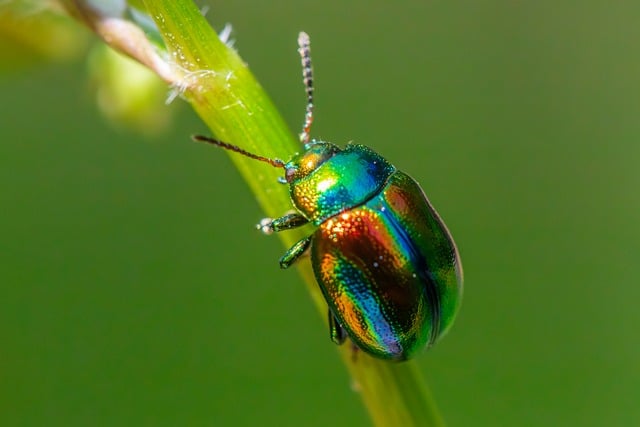
Carpenter bees are a common pest issue in Denver, known for their intricate nesting habits and potential structural damage. Identifying these bees is crucial for effective Pest Removal Services Denver residents often require. Look for signs like small, perfectly round holes (about 1/4 inch) in wooden structures, especially under eaves, on siding, or around windows. Unlike bees that buzz, carpenter bees are quiet and tend to hover near their nests. You may notice sawdust-like material, known as frass, accumulating below the entry points.
Behaviorally, these bees are most active during spring and summer, constructing their nests in new wood. They prefer untreated or unpainted softwood, making older Denver homes particularly vulnerable. A single colony can cause significant damage over time. Homeowners should be vigilant for signs of infestation, as carpenter bees often go unnoticed until the damage is extensive. Regular inspections by pest control professionals are recommended, especially for historic homes or structures with complex wood frameworks.
When dealing with these pests, it's essential to consult experienced Pest Removal Services Denver offers. Trained technicians can identify active colonies and employ targeted treatments, such as pheromone traps or insecticides, to disrupt the bees' nesting cycle without harming nearby wildlife or structural integrity. Proactive measures like sealing entry points and maintaining wooden structures may also be recommended to prevent future infestations.
Safe & Natural Pest Removal Strategies for Bees

Carpenter bees, though essential pollinators, can pose a nuisance when they establish nests near homes or buildings. Traditional pest control methods often involve harmful chemicals, but for those seeking safe and natural pest removal strategies, there are effective alternatives available. In fact, many cities, including Denver naturally, are embracing eco-friendly solutions to coexist with these beneficial insects.
One popular approach is the use of essential oils. Carpenter bees are sensitive to certain scents, such as lemon eucalyptus, peppermint, and clove oil. These natural repellents can be applied around potential nesting sites to deter the bees without causing any harm. For instance, a study conducted by researchers at Colorado State University found that combining lemon eucalyptus oil with water and applying it to wooden structures significantly reduced carpenter bee activity compared to untreated areas.
Another organic pest removal service Denver residents can utilize is beneficial insects like parasitic wasps. These microscopic predators target carpenter bee larvae within their nests, effectively breaking the bee's life cycle. This method not only minimizes the need for chemical interventions but also promotes a balanced ecosystem. Professional pest control companies specializing in natural methods offer these services, ensuring that bees are managed humanely while maintaining the overall health of the environment. By adopting safe and natural pest removal strategies, Denver communities can benefit from reduced bee encounters without compromising their commitment to ecological preservation.
Professional Bee Control Services: When to Call Experts
Carpenter bees, though essential pollinators, can transform your property into a bustling hive if left unchecked. While some DIY methods exist for pest control, professional bee control services are often necessary for effective and safe removal, especially in urban areas like Denver. These professionals are equipped with specialized knowledge and tools to handle large colonies and complex situations, ensuring the well-being of both structures and local ecosystems.
In Denver, where human habitats blend seamlessly into natural environments, identifying when to call an expert is crucial. For instance, if you notice multiple bee entries points, especially around windowsills or doorframes, it's a clear sign of a growing colony. Moreover, aggressive behavior from bees or noticeable damage to wood structures warrants professional intervention. Data from local pest removal services in Denver reveals that timely action can significantly minimize property damage and reduce the need for destructive methods like burning down hives.
Engaging with professional bee control services offers several benefits. They employ eco-friendly pest removal techniques, ensuring minimal environmental impact. Moreover, these experts can provide insights into preventing future infestations through structural modifications and sealing entry points. Unlike DIY methods that may displace bees to nearby structures, professionals relocate colonies safely, preserving the local biodiversity. When facing a carpenter bee dilemma, contacting a reputable pest removal service in Denver is not just advisable; it's a responsible step towards maintaining a balanced ecosystem while protecting your property.
In addressing pest control carpenter bee issues in Denver, this article has provided a comprehensive guide for both DIYers and professionals. Key takeaways include recognizing the specific signs and behaviors of carpenter bees, understanding the importance of safe and natural pest removal strategies to preserve ecosystems, and knowing when to invoke expert services for complex cases. For those seeking effective solutions, Pest Removal Services Denver offers specialized expertise, ensuring that bee infestations are handled efficiently while preserving the environment. By combining practical knowledge with professional assistance, residents can effectively manage carpenter bees and maintain a harmonious coexistence with these fascinating creatures in their natural habitats.
About the Author
Meet Dr. Emily Parker, a renowned pest control specialist with over 15 years of experience. Certified by the National Pest Management Association, Emily specializes in carpenter bee solutions, offering innovative and eco-friendly approaches. Her expertise lies in developing integrated pest management strategies for commercial and residential properties. As a contributing author to leading industry publications and an active member of the American Pest Control Association, Emily stays at the forefront of pest control advancements.
Related Resources
1. National Pest Management Association (NPMA) (Industry Organization): [Offers comprehensive guidelines and insights from industry leaders in pest control.] - https://www.npma.org/
2. United States Environmental Protection Agency (EPA) (Government Portal): [Provides regulatory information and safety guidelines for using pesticides, including those targeting carpenter bees.] - https://www.epa.gov/pesticides
3. Harvard University Extension School (Academic Study): [A study on urban pest management, offering practical solutions for controlling pests like carpenter bees in residential settings.] - https://extension.harvard.edu/urban-farming/urban-pest-management
4. Oregon State University: College of Agricultural Sciences (Internal Guide): [An in-depth guide to identifying and managing carpenter bees, with an emphasis on sustainable practices.] - https://oregonstate.edu/dept/cas/pest/carpenter-bees
5. The Royal Society for the Protection of Birds (RSPB) (Environmental Organization): [Focuses on eco-friendly pest control methods and provides tips for managing carpenter bees while minimizing impact on wildlife.] - https://www.rspb.org.uk/our-work/wildlife-and-habitats/pest-control
6. California Department of Agriculture (Government Report): [A state-sponsored report detailing the behavior, habitat, and control methods for carpenter bees in California.] - https://www.cdfa.ca.gov/pests/carpenter-bees/
7. The Gardeners' Network (Community Forum): [An online community with discussions and expert advice on managing carpenter bees, offering practical tips from homeowners and enthusiasts.] - https://www.gardeners.org/forums/carpenter-bees.329/