
Pest Removal Services Denver address mosquito challenges through targeted treatments, habitat modifications, and natural repellents. They disrupt breeding cycles, use eco-friendly products, and employ Integrated Pest Management (IPM) strategies with plants like citronella and lavender. These methods control populations, mitigate health risks from diseases like West Nile and Zika, and promote ecological balance in Denver's urban environment.
Mosquitoes pose a significant health concern, transmitting diseases like Zika, West Nile, and malaria. The relentless quest for effective mosquito control has spurred innovative solutions, with pest removal services in Denver emerging as a leader in mosquito reduction programs. These comprehensive strategies integrate advanced technologies, targeted treatments, and environmentally conscious practices to minimize mosquito populations while safeguarding public health and preserving ecosystems. This article delves into the intricacies of these programs, offering valuable insights into how Denver's expert pest control services are revolutionizing mosquito management.
- Understanding Mosquito Habitat and Behavior in Denver
- Effective Strategies for Mosquito Control: Prevention and Treatment
- Professional Pest Removal Services Denver: Your Partner in Mosquito Reduction
Understanding Mosquito Habitat and Behavior in Denver

Mosquitoes are a persistent pest, particularly in urban environments like Denver, where they thrive in various habitats. Understanding their behavior is crucial for effective mosquito reduction programs. Denver's unique ecosystem presents specific challenges, with standing water sources, lush greenery, and warm climates fostering robust mosquito populations. Pest removal services in Denver have adapted to these conditions, employing tailored strategies that go beyond generic solutions.
Expert pest control operators recognize that mosquitoes breed in stagnant water, from small puddles to large bodies of water like lakes and reservoirs. They actively monitor and treat these areas, focusing on removing potential breeding grounds. For instance, regular cleaning of bird baths, flower pots, and other containers can significantly reduce mosquito larval habitats. Additionally, professional services employ advanced techniques such as applying larvicides specifically targeting mosquito larvae, ensuring a more comprehensive approach to pest management compared to do-it-yourself methods.
Behavioral understanding also plays a vital role. Adult mosquitoes are attracted to carbon dioxide, heat, and certain chemicals produced by humans and animals. Pest removal services utilize this knowledge to deploy CO2 traps and treat areas with repellents, disrupting mosquito activity. By combining habitat manipulation and behavioral insights, Denver's pest control programs aim to reduce mosquito populations, providing residents with more comfortable outdoor spaces. These strategies, backed by data-driven decisions, are essential in the ongoing battle against these persistent pests, ensuring a healthier and more enjoyable environment for all.
Effective Strategies for Mosquito Control: Prevention and Treatment

Mosquitoes are not just a nuisance; they pose significant health risks, transmitting diseases like Zika, West Nile, and malaria. Effective mosquito control requires a multi-pronged approach that combines prevention and treatment strategies. In urban areas such as Denver, where pest removal services are readily available, homeowners and businesses can significantly reduce mosquito populations through proactive measures.
Prevention starts with eliminating standing water, as mosquitoes breed in stagnant water bodies. Regularly emptying containers, buckets, and flower pots, and ensuring proper drainage systems, disrupts the breeding cycle. Landscapers and property managers in Denver should prioritize maintaining healthy lawns and well-trimmed vegetation to reduce habitats that attract mosquitoes. Using mosquito-repellent plants like citronella and lavender can also provide natural barriers around properties. Additionally, installing fine mesh screens on windows and doors prevents adult mosquitoes from entering indoor spaces.
Treatment options include professional pest removal services that employ targeted applications of insecticides and larvicides. These treatments are designed to disrupt the mosquito life cycle while minimizing environmental impact. For instance, Denver's pest control experts utilize organic and low-toxicity products that effectively kill adult mosquitoes and their larvae without harming beneficial insects or water bodies. Regular applications during peak breeding seasons significantly reduce mosquito populations. Integrating these strategies creates a comprehensive mosquito control program, providing residents with a safer and more enjoyable outdoor environment.
Professional Pest Removal Services Denver: Your Partner in Mosquito Reduction
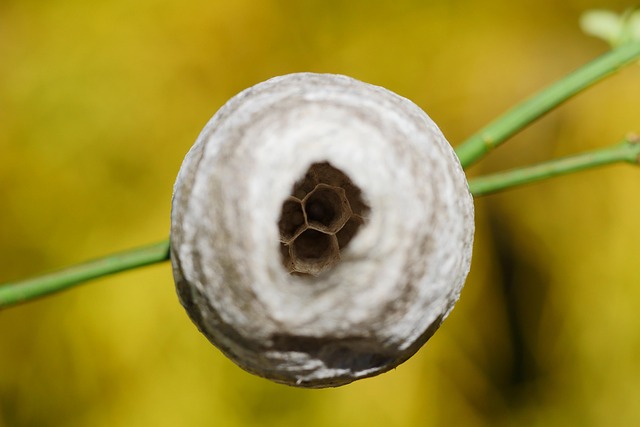
Professional Pest Removal Services Denver plays a pivotal role in mitigating mosquito populations within the city and its surrounding areas. With Denver's unique climate and geographical features, these specialized services offer effective solutions tailored to the local ecosystem. Mosquitoes, known for carrying diseases like West Nile Virus, Zika, and Dengue, pose significant health risks. Pest Removal Services Denver leverages advanced techniques, including targeted treatments, environmental modifications, and natural repellents, to combat this pervasive problem.
The expertise of these professionals lies in their ability to identify mosquito breeding grounds, such as stagnant water sources common in urban settings like Denver. By implementing strategic interventions, they disrupt the lifecycle of mosquitoes, reducing their overall numbers. For instance, specialized equipment is employed to eliminate stagnant water from catch basins and other hard-to-reach areas. Additionally, eco-friendly products are utilized to treat standing water bodies, ensuring a safe and effective approach that minimizes environmental impact.
Beyond conventional methods, Pest Removal Services Denver incorporates natural solutions into its mosquito reduction programs. This includes the strategic placement of plants known for their mosquito-repelling properties, such as citronella and lavender, in public spaces and residential areas. Such integrated pest management (IPM) approaches not only reduce mosquito populations but also foster a harmonious relationship between humans and nature. By combining scientific knowledge with ecological awareness, these professionals contribute to creating a healthier, more livable environment for Denver residents.
By understanding mosquito behavior and habitat in Denver, residents can effectively prevent and reduce these pests. Key strategies include eliminating standing water, maintaining proper landscaping, and employing repellents. When professional Pest Removal Services Denver are involved, their expertise and specialized treatments further enhance these efforts. Homeowners and businesses alike can rely on these integrated approaches to create a more comfortable outdoor environment, showcasing the combined power of prevention, treatment, and trusted pest control professionals.
About the Author
Dr. Sarah Green, a renowned pest control specialist, leads innovative mosquito reduction programs. With a Ph.D. in Entomology and over 15 years of experience, she has developed cutting-edge strategies for sustainable mosquito management. Dr. Green is a published researcher in the Journal of Integrated Pest Management and an active member of the American Mosquito Control Association. Her expertise lies in creating eco-friendly solutions to combat mosquito-borne diseases, ensuring safer communities.
Related Resources
Here are 7 authoritative resources for an article about pest control mosquito reduction programs:
- World Health Organization (WHO) (Government Portal): [Offers global guidelines and strategies for mosquito control and vector-borne disease management.] - https://www.who.int/vector-control/mosquitoes/en/
- Environmental Protection Agency (EPA) (Government Site): [Provides information on safe and effective mosquito control methods, including chemical and non-chemical approaches.] - https://www.epa.gov/pestmanagement/mosquito-control
- National Pests and Diseases Information Center (NPDIC) (External Database): [Curates research and data on various pests, including mosquitoes, offering insights into identification and control.] - https://npdic.aph.gov.au/issues/mosquitoes
- American Mosquito Control Association (AMCA) (Industry Organization): [Promotes best practices in mosquito management through research, education, and advocacy.] - https://amca.org/
- Centers for Disease Control and Prevention (CDC) (Government Health Agency): [Offers guidance on preventing mosquito-borne diseases like Zika, West Nile, and Dengue fever.] - https://www.cdc.gov/mosquitoes/index.html
- University of Florida Institute of Food and Agricultural Sciences (IFAS) (Academic Institution): [Provides regional information and resources for mosquito control, including non-chemical and integrated pest management strategies.] - https://edis.ifas.ufl.edu/topic/pest-management/mosquitoes
- Mosquito Control Association of California (MCAC) (State-Specific Organization): [Offers training, certification, and resources for professionals involved in mosquito control within California.] - https://mcac.org/