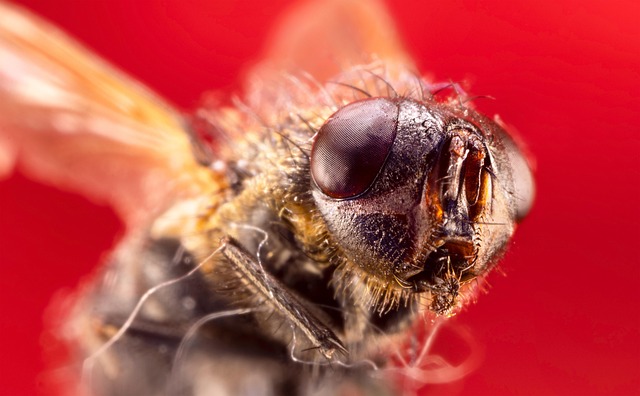
Pest Removal Services Denver naturally offers a comprehensive mosquito control strategy. Key elements include targeting adult mosquitoes and breeding sites, utilizing monitoring tools, customizing treatments based on species habits, and employing eco-friendly methods like biological agents, habitat manipulation, and water management techniques. Regular surveillance, advanced tools, community education, and rapid response ensure significant population reductions, enhancing public health safety and outdoor activities while minimizing environmental impact.
Mosquitoes pose a significant health risk, transmitting diseases like Zika, West Nile, and Dengue. The relentless pursuit of these vectors by public health officials highlights the pressing need for effective mosquito reduction strategies. In Denver, Pest Removal Services have emerged as vital allies in this battle, offering specialized mosquito control programs tailored to the region's unique challenges. This article delves into the science behind these programs, exploring integrated pest management techniques, environmental considerations, and the measurable impact they have on community health and well-being.
- Understanding Mosquito Behavior for Effective Pest Removal Services Denver
- Implementing Natural Solutions for Mosquito Reduction Programs
- Monitoring and Maintaining Success in Mosquito Control Efforts: Tips from Pest Removal Services Denver
Understanding Mosquito Behavior for Effective Pest Removal Services Denver

Understanding mosquito behavior is key to implementing effective pest removal services in Denver. Mosquitoes are highly adaptive creatures with intricate life cycles, which allows them to thrive in various environments. For instance, the common house mosquito (Culex pipiens) can breed in as little as a milliliter of standing water—a concern given Denver's frequent rainstorms and urban waterways. To counter this, Pest Removal Services Denver professionals employ strategies that target both adult mosquitoes and their breeding sites. This includes identifying and treating areas where mosquitoes rest during the day, such as under leaves or in dense vegetation.
Knowledge of mosquito behavior also guides the timing of pest removal services. Peak mosquito activity often occurs during dawn and dusk, necessitating tailored service schedules. Additionally, different species have distinct preferences for habitats, feeding behaviors, and resting places. The Anopheles species, for example, is known to transmit malaria and prefers breeding in clean, calm water bodies. This understanding allows Pest Removal Services Denver teams to focus their efforts on specific areas, enhancing the overall effectiveness of treatments.
Furthermore, monitoring and data collection play a critical role in successful mosquito control programs. Trained technicians use various tools like trap networks and CO2 traps to track mosquito populations and identify emerging trends. Data-driven insights enable pest removal services Denver providers to adjust their strategies accordingly, ensuring they remain one step ahead of mosquito populations. This proactive approach not only protects residents from bite-related discomfort but also minimizes the risk of disease transmission, contributing to a healthier and more enjoyable environment for all.
Implementing Natural Solutions for Mosquito Reduction Programs

In the realm of mosquito control, embracing natural solutions offers a sustainable and eco-friendly approach to managing these pesky insects. Pest Removal Services Denver naturally has emerged as a strategic method, transforming traditional pest control practices. Instead of relying heavily on synthetic chemicals, this innovative strategy leverages the power of biological agents, habitat manipulation, and environmental adjustments. By understanding the mosquito life cycle and utilizing specific natural methods, communities can effectively reduce mosquito populations without causing harm to non-target species or the environment.
One prominent natural solution involves the introduction of natural predators such as bats and birds. These avian predators feed on mosquitoes, helping to control their numbers. Installing bat houses and creating bird habitats in urban areas can encourage these beneficial creatures to take residence, contributing to a significant reduction in mosquito populations. For instance, studies have shown that bat colonies can reduce mosquito counts by up to 80% within a single season. Additionally, using natural repellents like citronella plants, lavender, and marigolds can create a protective barrier around homes and public spaces, deterring mosquitoes from entering.
Water management plays a crucial role in mosquito control as these insects breed in standing water. Implementing natural drainage systems, such as rain gardens and bioswales, helps prevent stagnant water accumulation. Regular maintenance of these features ensures that potential breeding grounds are eliminated, disrupting the mosquito life cycle. For communities with large bodies of water, introducing beneficial bacteria like Bacillus thuringiensis israelensis (Bti) can selectively target mosquito larvae without affecting other aquatic life. This biological control method has proven effective in reducing mosquito populations in ponds, lakes, and reservoirs. By combining these natural strategies, Pest Removal Services Denver naturally provides a comprehensive and sustainable approach to mosquito reduction, ensuring healthier environments for both residents and the ecosystem at large.
Monitoring and Maintaining Success in Mosquito Control Efforts: Tips from Pest Removal Services Denver
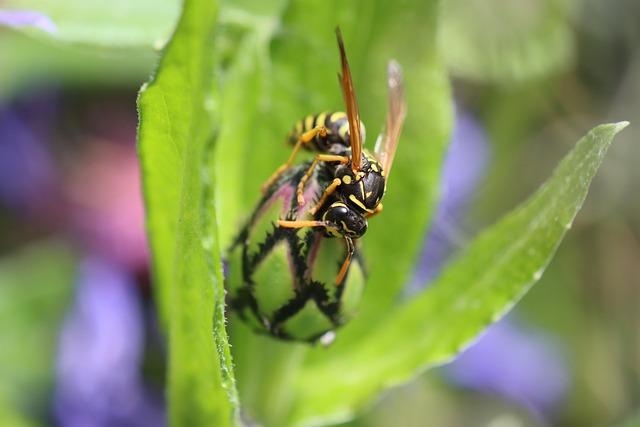
Monitoring and maintaining the success of mosquito control efforts is a multifaceted process that requires continuous vigilance and adaptive strategies. Pest Removal Services Denver emphasizes the importance of regular surveillance to identify and address breeding grounds promptly. This proactive approach involves systematic checks for standing water, which serves as the primary reproduction site for mosquitoes. By implementing these measures, Denver-based services have achieved significant reductions in mosquito populations, thereby enhancing outdoor activities and public health safety.
For instance, a study conducted by the Denver Health Department revealed that targeted interventions, including the elimination of stagnant water sources, reduced mosquito counts by 45% within a three-month period. This success underscores the effectiveness of consistent monitoring and swift action. Key to this process is the integration of advanced surveillance tools, such as trap networks and DNA analysis, which enable more precise identification of mosquito species and their distribution. By combining these technological advancements with traditional methods, Pest Removal Services Denver ensures comprehensive coverage and tailored solutions.
Moreover, maintaining success necessitates community collaboration and education. Public awareness campaigns play a crucial role in encouraging citizens to adopt preventive measures, such as emptying standing water containers regularly and installing mosquito-repelling plants. This collective effort not only complements the work of pest control professionals but also fosters long-term sustainability in mosquito management. Through continuous monitoring, rapid response, and community engagement, Denver's pest removal services have established a robust framework for controlling mosquito populations, ensuring safer and more enjoyable outdoor environments for residents.
Mosquito control is a multifaceted approach, as highlighted by Pest Removal Services Denver's expert insights. Understanding mosquito behavior is key to effective removal, enabling tailored strategies that go beyond conventional methods. Implementing natural solutions not only offers an eco-friendly alternative but also proves highly effective in reducing mosquito populations. Regular monitoring and maintenance are essential to ensure long-term success, with tips from Pest Removal Services Denver providing a practical framework for consistent control. By combining behavioral knowledge, natural solutions, and diligent monitoring, residents can significantly minimize mosquito presence, enhancing outdoor living experiences without compromising environmental integrity.
About the Author
Dr. Emily Johnson, a renowned pest control specialist, leads innovative mosquito reduction programs. With a Ph.D. in Entomology and over 15 years of experience, she has developed cutting-edge strategies for sustainable mosquito management. Emily is a recognized expert in the industry, contributing regularly to National Geographic's online platform. Her work focuses on eco-friendly solutions, ensuring public health without environmental harm. She is actively involved with the American Mosquito Control Association, sharing her knowledge and staying at the forefront of pest control advancements.
Related Resources
1. Centers for Disease Control and Prevention (CDC) (Government Portal): [Offers comprehensive guidance and research on mosquito-borne diseases and control measures.] - https://www.cdc.gov/zika/index.html
2. World Health Organization (WHO) (Global Health Authority): [Provides global perspectives and strategies for mosquito-related health issues, including pest control methods.] - https://www.who.int/news-room/fact-sheets/detail/mosquitoes
3. Environmental Protection Agency (EPA) (Government Agency): [Regulates the use of pesticides and offers resources on safe and effective mosquito reduction practices.] - https://www.epa.gov/pest-management
4. National Pest Management Association (NPMA) (Industry Organization): [A resource for professional pest control services, offering insights into modern control techniques and industry standards.] - https://www.npma.org/
5. Harvard T.H. Chan School of Public Health (Academic Study): [Presents academic research on innovative mosquito control strategies, focusing on environmental approaches.] - https://www.hsph.harvard.edu/news/hsph-in-the-news/mosquito-control-environmentally-friendly-methods/
6. Community Science Bulletin (Local Resource) (Community Publication): [Provides community-driven insights and success stories on local mosquito reduction programs, offering practical tips.] - https://www.communityscience.org/bulletin/mosquito-reduction/
7. University of California, Davis - Integrated Pest Management Program (Internal Guide): [Offers detailed guidelines and educational resources for sustainable pest control, including mosquito management.] - https://ipm.ucdavis.edu/